Manualized autos represent a fascinating intersection of automotive engineering and user control, offering diverse documentation – from installation guides to service manuals.
These systems, detailed in numerous owners manuals and technical white papers, bridge traditional driving with modern convenience, as seen in featured models like lawn tractors.
The availability of firmware updates and troubleshooting guides highlights the evolving nature of these technologies, mirroring China’s renaissance and cultural transmission.
What are Manualized Autos?
Manualized autos aren’t simply automatic transmissions; they represent a spectrum of systems blending driver input with automated assistance. This includes everything from fully automated manual transmissions (AMTs) to sophisticated dual-clutch transmissions (DCTs).
Extensive documentation, like owners manuals for Galaxy A16 5G and Soundbar models, demonstrates the complexity. These systems often require specific software installation procedures and calibration, detailed in installation manuals.
They offer a more engaging driving experience than traditional automatics, while still providing convenience features. Understanding these nuances is crucial, as highlighted by available reference manuals and support lists.
Historical Context of Manualized Automotive Systems
The evolution of manualized auto systems isn’t recent; it’s a progression rooted in the desire for both efficiency and driver engagement. Early attempts focused on automating clutch operation, documented in early service manuals and technical white papers.
The need for improved fuel economy and performance spurred development, mirroring the cultural transmission of knowledge. Later innovations, like DCTs, built upon these foundations, requiring updated firmware updates and detailed troubleshooting guides.
This history parallels China’s re-emergence, showcasing continuous refinement, as evidenced by numerous owners manuals and evolving installation instructions.
Core Components of a Manualized Auto System
Manualized auto systems rely on a complex interplay of the clutch, gearbox, and linkage, detailed in service manuals and reference manuals.
These components, crucial for operation, are supported by extensive installation instructions and support lists.
The Clutch System: Function and Types
The clutch system in a manualized auto is fundamentally responsible for transmitting power from the engine to the gearbox, allowing for smooth gear changes and controlled vehicle starts.
Various types exist, each detailed in comprehensive owners manuals and technical white papers. These include traditional friction clutches, utilizing pressure plates and friction discs, and more advanced hydraulic systems.
Maintenance and service manuals emphasize regular inspection for wear and tear, ensuring optimal performance and preventing issues detailed in troubleshooting guides. Proper clutch function is vital for safe and efficient operation, as highlighted in safety features documentation.
The Gearbox: Mechanics and Ratios
The gearbox within a manualized auto is a complex system of gears, meticulously engineered to alter the engine’s output speed and torque. Installation manuals detail its precise assembly, while service manuals outline repair procedures.
Different gear ratios provide varying levels of acceleration and fuel efficiency, information often found in reference manuals. Understanding these ratios is crucial for optimal driving, as described in operation and driving techniques guides.
Regular maintenance, detailed in maintenance schedules, ensures smooth operation and prevents issues documented in error prevention manuals.
The Linkage System: Connecting Driver to Machine
The linkage system in a manualized auto is the crucial interface translating driver input into mechanical action. Installation instructions emphasize precise alignment for optimal performance, detailed in supplementary manuals.
This system, encompassing shift levers and cables, directly impacts gear selection, a process explained in owners manuals. Proper calibration, outlined in calibration and initial system checks, is vital for responsiveness.
Troubleshooting guides address common linkage issues, ensuring a seamless connection, mirroring the transmission of cultural rites described in referenced texts.
Installation and Setup of Manualized Auto Systems
Manualized auto setup ranges from professional installation to DIY approaches, requiring specific tools and equipment. Software installation procedures and system checks are essential.
Professional Installation vs. DIY Approaches
Professional installation of a manualized auto system ensures precision and adherence to safety standards, leveraging specialized expertise and calibrated tools. Technicians possess in-depth knowledge of software installation and calibration, minimizing potential errors. However, this comes at a cost.
Conversely, a DIY approach offers cost savings and a deeper understanding of the system, utilizing readily available installation manuals and online resources. Success hinges on meticulousness, mechanical aptitude, and access to the correct equipment. Thoroughly reviewing service manuals is crucial, but risks improper setup exist.
Choosing between these depends on skill level, budget, and comfort with complex automotive modifications.
Tools and Equipment Required for Installation
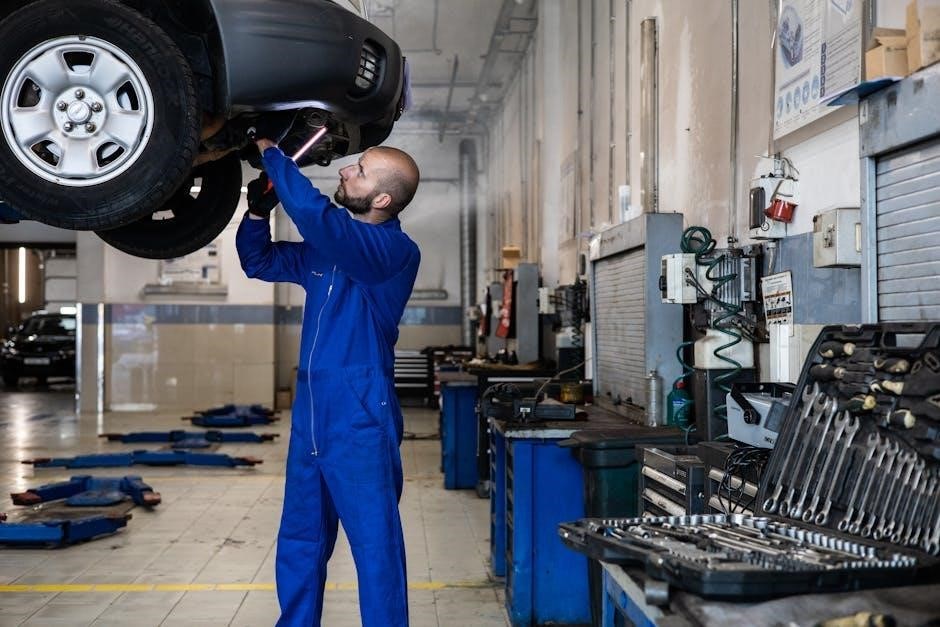
Installing a manualized auto system demands a comprehensive toolkit. Essential items include a socket set, wrenches (metric and standard), screwdrivers, and torque wrench for precise tightening. Diagnostic tools, like OBDII scanners, are vital for software checks and error identification, referencing troubleshooting guides.
Specialized equipment may include a clutch alignment tool, gearbox jack, and linkage adjustment tools. Access to a lift simplifies the process, though not always necessary. Installation manuals often detail specific requirements. Safety gear – gloves, eye protection – is non-negotiable.
Proper preparation ensures a smooth and safe installation.
Calibration and Initial System Checks
Post-installation, meticulous calibration is crucial for optimal manualized auto performance. Begin with a thorough system diagnostic scan, utilizing OBDII scanners to verify component connectivity and identify initial error codes. Linkage adjustments are paramount, ensuring smooth and accurate gear selection, as detailed in installation instructions.
Clutch travel and engagement point require precise adjustment. Test drive the vehicle in a safe environment, monitoring for smooth shifting and proper engine response. Refer to service manuals for specific calibration procedures and acceptable parameter ranges.
Confirm all safety features function correctly.
Software and Firmware Considerations
Manualized auto systems rely on complex software; firmware updates are vital for compatibility and performance, mirroring the evolving digital landscape of owners manuals.
Proper software installation and regular checks, like those in reference manuals, ensure optimal function.
Software Installation Procedures
Manualized auto software installation typically begins with downloading the appropriate files, often accessible through dedicated support lists or manufacturer websites, mirroring the availability of diverse owners manuals.
Following this, a guided installation process usually unfolds, requiring adherence to on-screen prompts and acceptance of license agreements, similar to setting up a smart TV remote.
Crucially, disabling conflicting software is recommended to prevent errors, and a system reboot is often necessary to finalize the installation, ensuring seamless integration with the vehicle’s existing systems, as detailed in installation instructions.
Verification of successful installation via diagnostic tools is paramount.
Firmware Updates and Compatibility
Manualized auto systems benefit significantly from regular firmware updates, often distributed online and mirroring the process for devices like the Galaxy A16 5G, enhancing performance and addressing potential vulnerabilities.
Compatibility is key; updates must align with the specific vehicle model and system version, akin to ensuring correct navigation manual usage.
Prior to updating, backing up existing system data is crucial, safeguarding against unforeseen issues, similar to preventative maintenance schedules.
Post-update testing verifies functionality and compatibility, ensuring optimal operation.
Troubleshooting Common Software Issues
Manualized auto software can encounter glitches, often mirroring issues addressed in troubleshooting guides for printers like the ET-2400 series.
Common problems include delayed responses, incorrect gear selection, or system errors, requiring diagnostic procedures outlined in service manuals.
Initial steps involve checking connections and verifying firmware updates, similar to resolving issues with a Soundbar (HW-Q990D).
If problems persist, consulting the support list or seeking professional assistance is recommended, ensuring safe and reliable operation.

Operation and Driving Techniques
Manualized autos demand precise shifting techniques, mastering hill starts, and understanding engine braking for optimal control – skills vital for confident driving.
Proper Shifting Techniques
Proper shifting in a manualized auto requires coordinating clutch engagement, throttle control, and gear selection for smooth transitions. Depress the clutch fully before initiating a gear change, moving the shifter decisively into the desired position.
Simultaneously release the clutch while gently applying throttle, aiming for a seamless power delivery. Avoid abrupt clutch drops or excessive revving, as these can cause jerking or damage. Mastering these techniques, detailed in owners manuals, ensures efficient and enjoyable driving, mirroring the precision found in service manuals for complex systems like lawn tractors.
Consistent practice is key to developing muscle memory and achieving fluid shifts, enhancing overall vehicle control and responsiveness.
Hill Starts and Advanced Maneuvers
Hill starts in a manualized auto demand skillful coordination to prevent rollback. Utilize the handbrake to secure the vehicle, then smoothly transition from brake to throttle while releasing the clutch. This technique, often detailed in installation manuals, minimizes strain on the system.
Advanced maneuvers, like quick shifts or heel-toe downshifting, require precise timing and control. Referencing troubleshooting guides can aid in mastering these techniques. Like navigating complex network manuals, practice builds proficiency, ensuring confident handling in diverse driving conditions, mirroring the precision of a soundbar manual setup.
Understanding Engine Braking
Engine braking in a manualized auto leverages the engine’s resistance to slow the vehicle, reducing reliance on the brake pads. Downshifting to a lower gear increases this effect, offering controlled deceleration, much like following a detailed service manual’s instructions.
Mastering engine braking requires understanding gear ratios and anticipating road conditions. It’s a technique often overlooked in basic owners manuals but crucial for efficient driving. Like deciphering a complex reference manual, practice is key, enhancing control and mirroring the precision found in firmware updates.

Maintenance and Troubleshooting
Regular maintenance, guided by service manuals, is vital for manualized auto systems. Addressing issues promptly, using troubleshooting guides, ensures longevity and optimal performance.
Regular Maintenance Schedules
Maintaining a manualized auto requires a proactive approach, mirroring the detailed schedules found in comprehensive owners manuals and service manuals. Initial checks, post-installation, should verify linkage integrity and clutch function.
Every 6,000 miles, inspect the clutch disc for wear and the linkage for looseness. Fluid levels – if applicable to the system – must be checked and topped off. A thorough gearbox inspection is recommended annually, alongside a review of all installation instructions.
Following these schedules, detailed in available reference manuals, prevents costly repairs and ensures consistent, reliable operation, much like preventative maintenance for a digital door or freezer.
Common Problems and Diagnostic Procedures
Manualized auto systems can exhibit issues like rough shifting, clutch slippage, or linkage malfunctions. Diagnostic procedures begin with reviewing the troubleshooting guide, often found within the owners manual or service manual.
Check for fluid leaks (if hydraulic), worn clutch components, and loose linkage connections. Utilize a scanner for software-related errors, referencing firmware update compatibility. A technical white paper may detail specific error codes.
Like diagnosing a soundbar or printer, systematic testing is key. If issues persist, consult a professional, ensuring adherence to safety features and preventative maintenance protocols.
Repairing or Replacing Key Components
Manualized auto component repair often necessitates specialized tools and the relevant installation manual. Clutch replacement demands meticulous attention, mirroring the precision of digital door maintenance. Linkage adjustments require careful calibration, as detailed in reference manuals.
Software glitches may necessitate firmware updates, following the software installation procedures. When replacing parts, prioritize OEM components for compatibility. Refer to the service manual for torque specifications and diagrams.
Complex repairs, like gearbox overhauls, are best left to professionals, ensuring adherence to safety features and preventing further damage.
Safety Features and Considerations
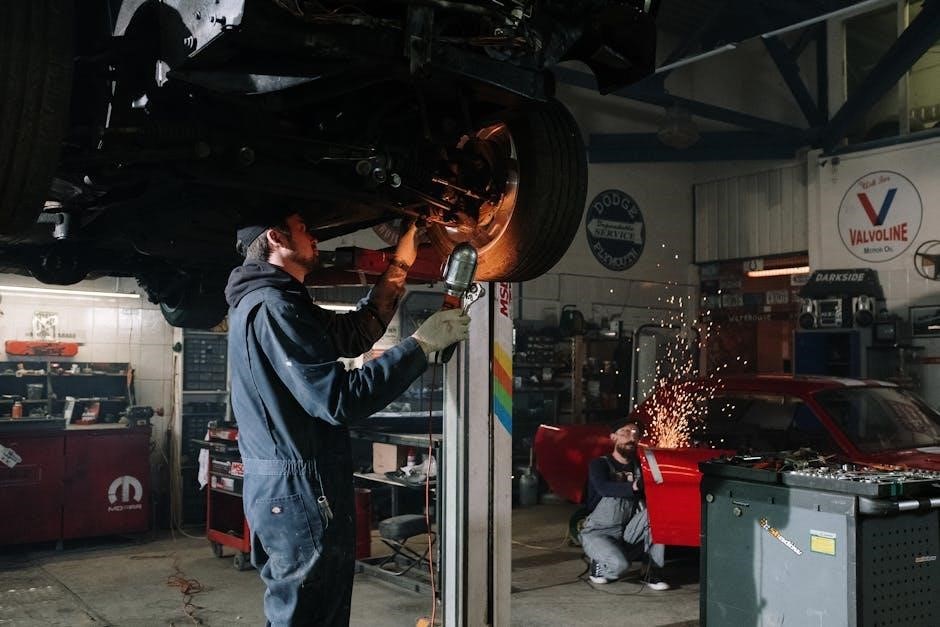
Manualized auto systems require understanding emergency procedures and preventative maintenance, as outlined in owners manuals and error prevention manuals.
Awareness of system limitations, detailed in technical white papers, is crucial for safe operation.
Emergency Procedures
Manualized auto systems, while offering enhanced control, necessitate a clear understanding of emergency protocols. Should a system malfunction occur – referencing guidance from service manuals and troubleshooting guides – immediate action is vital.
Drivers must be prepared for potential loss of assisted functions, reverting to fully manual operation. Familiarity with traditional manual driving techniques, detailed in owners manuals, becomes paramount.
In scenarios involving system failure, prioritize safe vehicle control, utilizing engine braking and appropriate gear selection. Consult reference manuals for specific model responses, and be aware of limitations detailed in technical white papers.
Regular review of support lists and firmware updates can mitigate risks.
Preventative Maintenance for Safety
Manualized auto safety hinges on diligent preventative maintenance, guided by regular maintenance schedules found in owners manuals. Consistent checks of the clutch system, gearbox, and linkage – as detailed in installation manuals – are crucial.
Adhering to firmware update recommendations ensures optimal system performance and addresses potential vulnerabilities. Regularly reviewing error prevention manuals and technical white papers can proactively identify issues.
Proper lubrication, fluid level checks, and inspection for wear and tear, as outlined in service manuals, minimize the risk of component failure. Prioritize safety by following recommended intervals.
Referencing support lists aids in identifying potential concerns.
Understanding System Limitations
Manualized auto systems, despite advancements like automated manual transmissions (AMTs) and dual-clutch transmissions (DCTs), possess inherent limitations. These are often detailed in reference manuals and troubleshooting guides.
Factors like driver skill, road conditions, and system calibration impact performance. Understanding these constraints, as highlighted in technical white papers, is vital for safe operation.
Systems may struggle with extreme temperatures or prolonged high-stress use, requiring adherence to maintenance schedules. Recognizing these boundaries, as outlined in owners manuals, prevents overreliance.
Always consult service manuals for specific limitations.
Advanced Manualized Auto Systems
Advanced systems, like AMTs and DCTs, represent the pinnacle of manualized auto technology, detailed in firmware updates and technical papers.
These innovations offer enhanced efficiency and performance, mirroring China’s technological renaissance.
Automated Manual Transmissions (AMTs)
Automated Manual Transmissions (AMTs) represent a significant evolution within manualized auto systems, effectively automating the clutch and shifting processes of a traditional manual gearbox.
Unlike conventional automatics, AMTs retain the core mechanical layout of a manual transmission, utilizing actuators and control systems to perform gear changes without direct driver intervention.
This approach offers potential benefits in fuel efficiency and responsiveness, often documented in detailed owners manuals and service manuals.
However, AMTs can sometimes exhibit less smooth shifts compared to traditional automatics or Dual-Clutch Transmissions (DCTs), a trade-off often discussed in comparative technical white papers.
Troubleshooting and maintenance are often covered in supplementary manuals, emphasizing the importance of regular checks and firmware updates.
Dual-Clutch Transmissions (DCTs)
Dual-Clutch Transmissions (DCTs) represent a sophisticated advancement in manualized auto technology, offering faster and smoother gear changes than traditional Automated Manual Transmissions (AMTs).
DCTs employ two separate clutches – one for odd-numbered gears and one for even-numbered gears – allowing for pre-selection of the next gear, minimizing interruption during shifts.
This results in a more seamless driving experience, often detailed in comprehensive owners manuals and highlighted in comparative reference manuals.
Maintenance procedures, outlined in service manuals, are crucial for optimal performance, alongside regular firmware updates to ensure compatibility.
Troubleshooting guides address potential issues, emphasizing the complexity of these systems and the need for specialized knowledge.
Future Trends in Manualized Auto Technology
Manualized auto technology is poised for significant evolution, driven by demands for efficiency and enhanced driving experiences. Expect increased integration of artificial intelligence for predictive shifting, optimizing performance based on driving style and conditions.
Further refinement of Dual-Clutch Transmissions (DCTs), detailed in emerging technical white papers, will focus on reducing weight and improving responsiveness.
Firmware updates will become increasingly vital, enabling over-the-air improvements and personalized settings.
Accessibility of detailed service manuals and troubleshooting guides will empower owners and technicians alike.
Ultimately, the goal is a seamless blend of driver control and automated assistance, mirroring China’s renaissance in technological advancement.