
Endometriosis affects millions globally, causing pain and infertility; dietary changes can significantly impact symptoms. A focused 4-week diet plan can reduce inflammation and support overall well-being.
Diagnosis currently relies on surgery, highlighting the need for improved, less invasive methods, while research continues to explore disease progression and prevention strategies.
Understanding the gut-endometrium connection and hormonal balance is crucial, making a tailored nutritional approach a powerful tool in managing this complex condition.
What is Endometriosis?
Endometriosis is a frequently occurring gynecological condition, impacting over 5.5 million women in North America and an estimated 200 million people worldwide. It’s characterized by tissue similar to the uterine lining – the endometrium – growing outside of the uterus. This misplaced tissue can appear on ovaries, fallopian tubes, and other pelvic organs, causing significant discomfort.
The core symptoms are pain, often severe, before, during, or after menstruation, and during or after sexual intercourse, profoundly affecting quality of life. Infertility is another common consequence. Currently, a definitive diagnosis requires surgery, typically laparoscopy, a minimally invasive procedure. Research efforts, like the RADx Tech ACT ENDO Challenge, aim to develop non-surgical diagnostic tools.
Understanding the disease’s progression and potential preventative measures, especially for those with a family history, remains a key focus of ongoing studies and the Japanese Society for Endometriosis.
The Link Between Diet and Endometriosis Symptoms
While not a cure, diet plays a crucial role in managing endometriosis symptoms. Inflammation is a key driver of the disease, and certain foods can either exacerbate or reduce it. A carefully planned dietary approach can influence hormone balance, gut health, and overall immune function, all vital in mitigating discomfort.
Focusing on anti-inflammatory foods can help lessen pain and improve well-being. Conversely, processed foods, sugar, and potentially dairy can contribute to inflammation, worsening symptoms. The gut microbiome’s connection to the endometrium suggests that a healthy gut is essential.
A 4-week diet plan can be a powerful tool, providing a structured approach to identify trigger foods and optimize nutritional intake for symptom relief and improved quality of life.

Week 1: Anti-Inflammatory Foundations
Focus this week on reducing inflammation through diet. Prioritize whole, unprocessed foods to calm the body and begin easing endometriosis-related discomfort.
Focus: Reducing Inflammation
Inflammation is a key driver of endometriosis symptoms, exacerbating pain and potentially hindering fertility. This week’s focus centers on establishing a dietary foundation designed to actively combat this inflammation. By prioritizing foods with potent anti-inflammatory properties, we aim to create a more hospitable internal environment.
Endometriosis affects millions, and managing inflammation is paramount. Dietary choices can significantly influence the body’s inflammatory response. Reducing intake of pro-inflammatory foods, like processed items and excessive sugars, is crucial. Simultaneously, increasing consumption of nutrient-rich, whole foods provides the building blocks for healing and symptom management. This initial phase sets the stage for the subsequent weeks of the plan.
Foods to Emphasize: Fruits & Vegetables
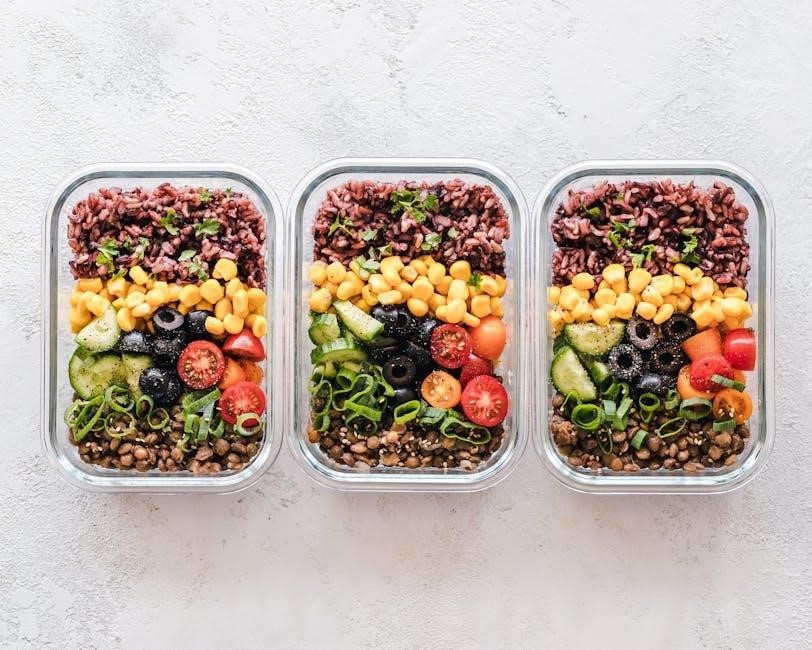
Fruits and vegetables are nutritional powerhouses, brimming with antioxidants and phytonutrients that actively combat inflammation – a central focus for endometriosis management. Prioritize a vibrant rainbow of produce daily, ensuring a diverse intake of beneficial compounds.
Berries, particularly blueberries and strawberries, are exceptional sources of antioxidants. Leafy greens like spinach and kale provide essential vitamins and minerals. Cruciferous vegetables, such as broccoli and cauliflower, support healthy estrogen metabolism. These choices contribute to reducing the inflammatory burden and promoting overall well-being. Aim for at least five servings daily, incorporating them into every meal and snack. This dietary emphasis is foundational for symptom relief.
Foods to Avoid: Processed Foods & Sugar
Processed foods and refined sugars are significant contributors to systemic inflammation, exacerbating endometriosis symptoms. These items often lack essential nutrients and contain additives that can disrupt gut health and hormonal balance. Eliminating them is a crucial step in a 4-week diet plan.
Avoid sugary drinks, packaged snacks, fast food, and processed meats. These trigger inflammatory responses and can worsen pain and discomfort. Reducing sugar intake helps stabilize blood sugar levels, impacting hormone regulation. Focus on whole, unprocessed foods instead. Prioritizing nutrient-dense options supports the body’s natural healing processes and minimizes inflammatory triggers, leading to improved symptom management and overall well-being.
Week 2: Gut Health & Endometriosis
A healthy gut is vital; the gut-endometrium connection influences inflammation and hormone balance. Focus on probiotics, fiber, and digestive support this week!
The Gut-Endometrium Connection
Emerging research highlights a significant link between gut health and endometriosis. The gut microbiome, a complex ecosystem of bacteria, profoundly impacts systemic inflammation, hormone regulation, and immune function – all key players in endometriosis development and symptom severity.
Dysbiosis, an imbalance in gut bacteria, can increase intestinal permeability (“leaky gut”), allowing inflammatory molecules to enter the bloodstream. This triggers an immune response that can exacerbate endometrial tissue growth and pelvic pain. Furthermore, the gut microbiome influences estrogen metabolism through the production of an enzyme called beta-glucuronidase.
Impaired estrogen detoxification in the gut can lead to estrogen dominance, potentially fueling endometriosis. Therefore, nurturing a diverse and balanced gut microbiome is crucial for managing endometriosis symptoms and supporting overall health. Prioritizing gut health through diet and lifestyle interventions can be a powerful complementary approach to conventional treatments.
Probiotic-Rich Foods for Gut Health
Incorporating probiotic-rich foods into your diet is a cornerstone of supporting a healthy gut microbiome. Probiotics are live microorganisms that, when consumed in adequate amounts, confer a health benefit to the host. These beneficial bacteria help restore balance to the gut, reducing inflammation and improving digestive function.
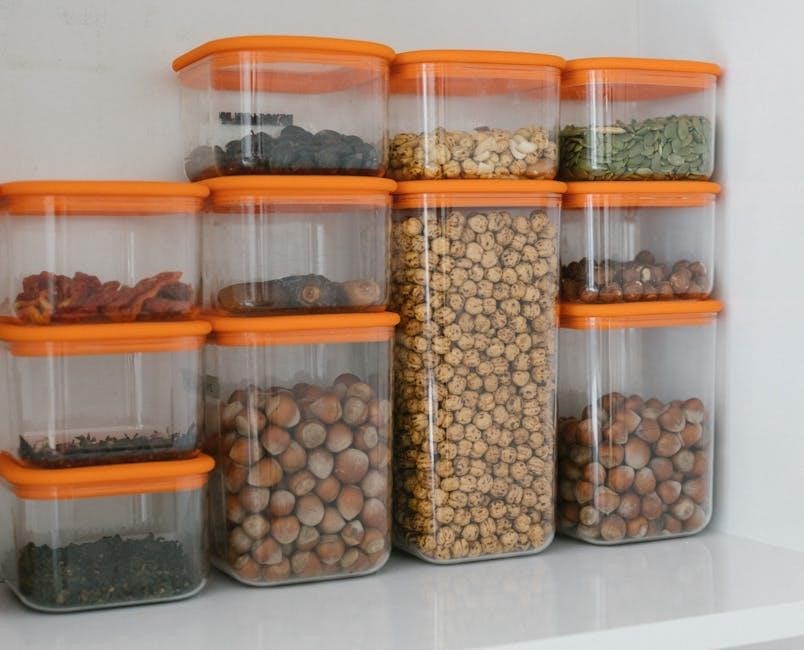
Excellent sources include yogurt (ensure it contains live and active cultures), kefir, sauerkraut, kimchi, kombucha, and miso. These fermented foods introduce diverse strains of probiotics, contributing to a more resilient gut ecosystem. Regularly consuming these foods can enhance nutrient absorption and bolster immune defenses.
Consider rotating different fermented foods to diversify your probiotic intake. While supplements can be helpful, obtaining probiotics through whole foods offers additional nutrients and fiber, further promoting gut health and potentially alleviating endometriosis symptoms.
Fiber Intake & Digestive Support
Adequate fiber intake is paramount for digestive health and plays a crucial role in managing endometriosis symptoms. Fiber promotes regular bowel movements, preventing constipation and aiding in the elimination of toxins, including excess estrogen. This detoxification process can help reduce inflammation and alleviate pelvic pain.
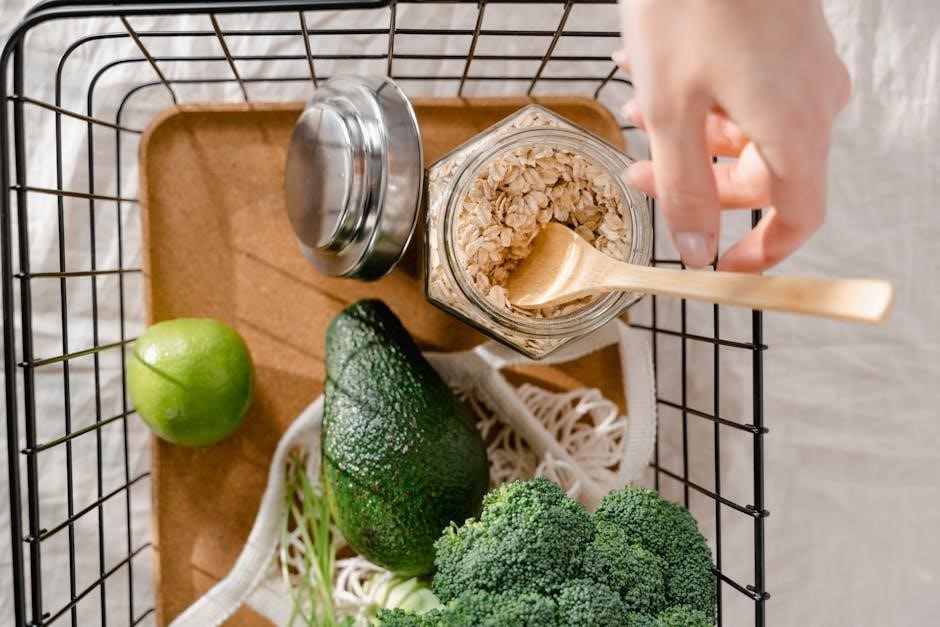
Excellent sources of fiber include fruits, vegetables, whole grains, legumes, and seeds. Aim for at least 25-30 grams of fiber daily, gradually increasing your intake to avoid digestive discomfort. Soluble fiber, found in oats and beans, helps regulate blood sugar levels, while insoluble fiber, in leafy greens, adds bulk to stool.
Prioritizing fiber-rich foods supports a healthy gut microbiome, further enhancing digestive function and overall well-being, contributing to a more balanced and comfortable experience with endometriosis.

Week 3: Balancing Hormones Through Diet
Dietary strategies this week focus on hormone regulation, exploring phytoestrogens and emphasizing cruciferous vegetables to support healthy estrogen metabolism for symptom relief.
Phytoestrogens: Friend or Foe?
Phytoestrogens, plant-derived compounds mimicking estrogen, present a complex relationship with endometriosis. While some believe they may exacerbate symptoms due to their estrogenic activity, others suggest they can offer a balancing effect, particularly for those with low estrogen levels.
Foods rich in phytoestrogens, like soy, flaxseeds, and legumes, can bind to estrogen receptors, potentially reducing the impact of stronger, naturally produced estrogens. However, individual responses vary significantly, and caution is advised.
During this week of the diet plan, mindful consumption is key. Observe how your body reacts to phytoestrogen-containing foods, noting any changes in pain levels or other endometriosis symptoms. It’s crucial to prioritize a personalized approach, guided by your own experience and, ideally, a healthcare professional’s advice.
Cruciferous Vegetables & Estrogen Metabolism
Cruciferous vegetables – broccoli, cauliflower, kale, and Brussels sprouts – play a vital role in supporting healthy estrogen metabolism. They contain compounds like indole-3-carbinol (I3C) and sulforaphane, which promote “good” estrogen detoxification pathways in the liver.
This process, known as estrogen detoxification, helps convert potent estrogens into weaker forms, potentially reducing estrogen dominance, a factor often implicated in endometriosis progression. Incorporating these vegetables generously into your diet can aid in balancing hormone levels.
During this week of the diet plan, aim for at least one serving daily. Steaming or lightly cooking preserves their beneficial compounds. Remember, a balanced approach alongside other dietary modifications is crucial for optimal results.
Healthy Fats for Hormone Production
Healthy fats are foundational for hormone production, crucial for balancing estrogen and progesterone levels – key factors in managing endometriosis symptoms. These fats provide the building blocks for hormones and support overall endocrine function.
Prioritize sources like avocados, olive oil, nuts (walnuts, almonds), and seeds (chia, flax). Omega-3 fatty acids, found in fatty fish, possess potent anti-inflammatory properties, further benefiting those with endometriosis. This week’s diet plan emphasizes incorporating these fats daily.
Aim for approximately 20-30% of your daily calories from healthy fats. Avoid excessive intake of saturated and trans fats, as they can contribute to inflammation. A balanced approach is vital for hormonal harmony.

Week 4: Nutrient Powerhouses for Endometriosis
Focus on iron, omega-3s, and vitamin D to combat anemia, reduce pain, and bolster immune function – vital for long-term endometriosis management.
Iron-Rich Foods to Combat Anemia
Endometriosis can lead to chronic blood loss, increasing the risk of iron deficiency anemia, exacerbating fatigue and pain. Prioritizing iron-rich foods is therefore crucial during this final week of the diet plan.
Lean red meat, while generally limited, can be included in moderation for its high heme iron content – the most easily absorbed form. However, focus primarily on plant-based sources like spinach, lentils, and fortified cereals.
Combining these plant sources with vitamin C-rich foods, such as citrus fruits or bell peppers, significantly enhances iron absorption; Consider adding a squeeze of lemon juice to your spinach salad or enjoying an orange with your lentil soup.
Regular monitoring of iron levels with your doctor is recommended, and supplementation may be necessary if dietary intake is insufficient.
Omega-3 Fatty Acids & Pain Reduction
Inflammation plays a significant role in endometriosis-related pain, and omega-3 fatty acids possess potent anti-inflammatory properties, making them a vital component of this 4-week diet. Incorporating sufficient omega-3s can contribute to noticeable symptom relief.
Fatty fish like salmon, mackerel, and sardines are excellent sources of EPA and DHA, the most beneficial types of omega-3s. Aim for at least two servings per week. For those who don’t consume fish, flaxseeds, chia seeds, and walnuts offer ALA, a precursor to EPA and DHA.
However, the conversion of ALA to EPA and DHA is limited, so consider an algae-based DHA supplement after consulting with your healthcare provider.
Consistent intake is key to experiencing the full benefits of omega-3s in managing endometriosis symptoms.
Vitamin D & Immune Function
Vitamin D deficiency is increasingly linked to endometriosis, potentially exacerbating inflammation and impacting immune function. Maintaining optimal vitamin D levels is therefore crucial within this 4-week dietary plan, supporting the body’s natural defenses.
Limited sun exposure, especially during winter months, makes dietary sources and supplementation essential. Fatty fish, like salmon, provide some vitamin D, but often insufficient amounts.
Fortified foods, such as milk and cereals, can contribute, but supplementation is frequently necessary. Before starting any supplement regimen, consult your doctor to determine your vitamin D levels and appropriate dosage.
Adequate vitamin D supports immune regulation, potentially lessening the severity of endometriosis symptoms and improving overall health.
Specific Foods to Include
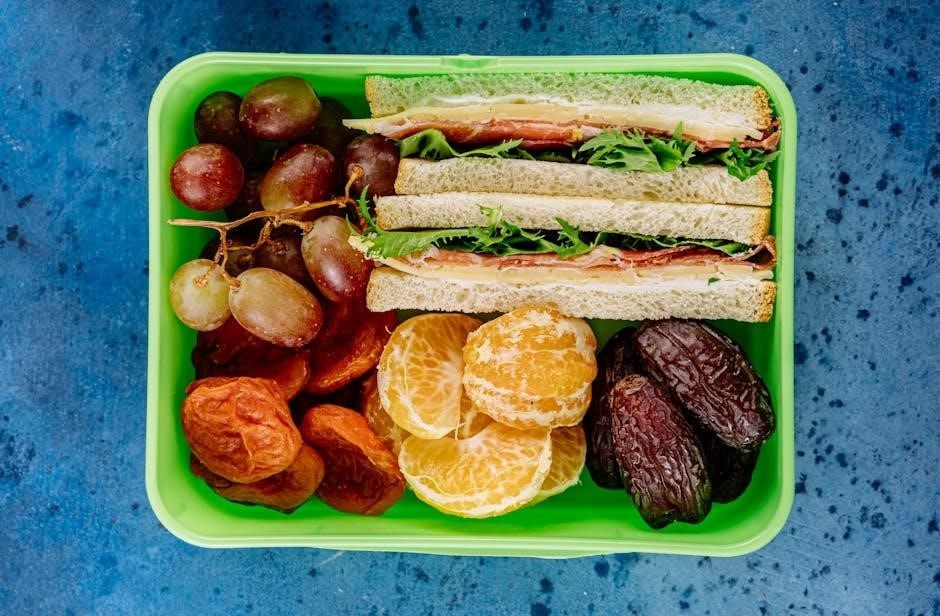
Berries, fatty fish, and leafy greens are nutritional powerhouses, offering antioxidants, omega-3s, and vital nutrients to combat inflammation and support healing.
Berries: Antioxidant Power
Berries – including blueberries, strawberries, raspberries, and blackberries – are packed with antioxidants, crucial for combating the chronic inflammation often associated with endometriosis. These powerful compounds neutralize free radicals, protecting cells from damage and potentially reducing pain levels.
Incorporating a variety of berries into your daily diet is simple and beneficial. Enjoy them as a snack, add them to smoothies, or sprinkle them over yogurt or oatmeal. Their vibrant colors indicate a high concentration of anthocyanins, a type of flavonoid with potent anti-inflammatory properties.
Aim for at least one cup of berries daily during your 4-week endometriosis diet plan to maximize their protective effects. They contribute to overall health and well-being, supporting the body’s natural healing processes.
Fatty Fish: Omega-3 Benefits
Fatty fish, such as salmon, mackerel, sardines, and tuna, are excellent sources of omega-3 fatty acids – EPA and DHA. These essential fats possess remarkable anti-inflammatory properties, offering significant relief for endometriosis symptoms like pelvic pain and discomfort. Omega-3s help regulate the body’s inflammatory response, potentially reducing the severity of endometrial tissue growth.
Aim to include fatty fish in your diet at least twice a week during your 4-week endometriosis diet plan. Consider baking, grilling, or steaming to preserve their nutritional value. Omega-3s also support hormone balance and immune function, contributing to overall well-being.
Prioritizing these nutrient-rich foods can be a powerful step towards managing endometriosis naturally and improving your quality of life.
Leafy Greens: Nutrient Density
Leafy green vegetables – spinach, kale, collard greens, and romaine lettuce – are nutritional powerhouses vital for an endometriosis-focused diet. They are packed with vitamins, minerals, and antioxidants, supporting overall health and combating inflammation. These greens provide essential nutrients like folate, iron, and calcium, often depleted due to chronic pain or heavy periods associated with endometriosis.
Incorporate a generous serving of leafy greens into your daily meals during the 4-week plan. Enjoy them in salads, smoothies, or lightly steamed as a side dish. Their high fiber content also promotes healthy digestion, crucial for gut health, which is linked to endometriosis symptom management.
Prioritizing these nutrient-dense foods is a simple yet effective strategy.

Foods to Limit or Avoid
Reducing red meat, saturated fats, dairy, caffeine, and alcohol is key during this 4-week plan; These can exacerbate inflammation and worsen endometriosis symptoms.
Red Meat & Saturated Fats
During this 4-week endometriosis diet plan, significantly limiting red meat and saturated fats is crucial for managing inflammation. These foods contain arachidonic acid, an omega-6 fatty acid that can promote the production of prostaglandins – hormone-like substances that contribute to pain and inflammation in the pelvic region.
Excessive intake of saturated fats, found in fatty cuts of beef, pork, and processed meats, can also disrupt hormone balance and worsen endometriosis symptoms. Prioritizing lean protein sources like poultry, fish, and plant-based proteins is highly recommended. Consider replacing red meat with options like salmon, chicken breast, or legumes to reduce inflammatory triggers.
Focusing on healthier fat sources, such as those found in avocados, olive oil, and nuts, will support overall well-being and potentially alleviate endometriosis-related discomfort. Making these dietary adjustments can contribute to a noticeable reduction in pain and improved quality of life.
Dairy Products & Inflammation
Within this 4-week endometriosis diet plan, evaluating your dairy intake is essential, as it can be a significant inflammatory trigger for some individuals. Dairy contains hormones and growth factors that may exacerbate endometriosis symptoms, potentially contributing to increased pain and inflammation in the pelvic area.
Many women with endometriosis report symptom improvement when reducing or eliminating dairy from their diet. This is thought to be due to the potential for dairy to increase prostaglandin production, similar to red meat and saturated fats. Experimenting with dairy-free alternatives, such as almond milk, coconut yogurt, or calcium-fortified plant-based options, is encouraged.
Observe your body’s response carefully when making these changes. If you notice a reduction in bloating, pain, or other endometriosis-related symptoms, continuing a dairy-free approach may be beneficial for long-term management.
Caffeine & Alcohol Consumption
As part of this 4-week endometriosis diet plan, mindful moderation of caffeine and alcohol is crucial. Both substances can disrupt hormonal balance and potentially worsen endometriosis symptoms, contributing to increased inflammation and discomfort. Caffeine stimulates the nervous system and may exacerbate pain sensitivity.
Alcohol, while sometimes offering temporary relief, can negatively impact liver function, hindering the body’s ability to effectively metabolize and eliminate excess estrogen – a key factor in endometriosis. Reducing or eliminating these substances allows the body to focus on healing and reducing inflammation.
Consider swapping caffeinated beverages for herbal teas and exploring alcohol-free alternatives. Pay attention to how your body responds to these changes and adjust accordingly for optimal symptom management.
Hydration & Endometriosis
Adequate water intake is vital during this 4-week diet plan, supporting detoxification and reducing bloating. Herbal teas can also soothe inflammation and aid digestion.
The Importance of Water Intake
Hydration plays a critical, often underestimated, role in managing endometriosis symptoms, especially when following a 4-week diet plan. Water aids in flushing out toxins, reducing bloating, and supporting optimal digestive function – all crucial for minimizing inflammation.
Aim for at least eight glasses of water daily, and even more if you are physically active. Proper hydration supports nutrient absorption, ensuring your body effectively utilizes the beneficial compounds from the anti-inflammatory foods emphasized in the diet.
Dehydration can exacerbate pelvic pain and fatigue, common endometriosis symptoms. Prioritizing water intake alongside dietary modifications can significantly enhance your overall well-being throughout the program and beyond.
Herbal Teas for Soothing Symptoms
Incorporating specific herbal teas into your 4-week diet plan can offer gentle, soothing relief from endometriosis symptoms. Chamomile tea, known for its calming properties, can help reduce muscle spasms and promote relaxation, easing pelvic discomfort.
Ginger tea is a potent anti-inflammatory, potentially lessening pain and bloating. Peppermint tea can aid digestion and alleviate gastrointestinal issues often accompanying endometriosis. However, caution is advised; some herbs can interact with medications.
Always consult with your healthcare provider before introducing new herbal remedies. These teas complement the dietary changes, providing a holistic approach to symptom management and supporting overall wellness during the program.
Supplements to Consider (with Doctor’s Approval)
Magnesium aids muscle relaxation, turmeric combats inflammation, and Vitamin D supports immune function—all potentially beneficial additions to your diet plan.
Magnesium for Muscle Relaxation
Magnesium plays a vital role in muscle function, potentially easing the painful cramps associated with endometriosis. Many women with endometriosis experience magnesium deficiencies, exacerbating muscle spasms and pelvic discomfort. Incorporating magnesium-rich foods, or considering supplementation with your doctor’s approval, can offer relief.
Good dietary sources include dark leafy greens, nuts, seeds, and dark chocolate (in moderation!). Magnesium helps regulate neurotransmitters involved in pain perception, potentially reducing the intensity of endometriosis-related pain. It also supports healthy nerve function and can contribute to improved sleep quality, often disrupted by chronic pain.
While a 4-week diet plan focused on whole foods is foundational, targeted supplementation, guided by a healthcare professional, may provide additional support for managing muscle tension and overall well-being during your endometriosis journey.
Turmeric & Curcumin for Anti-Inflammatory Effects
Turmeric, a vibrant spice, contains curcumin, a potent compound renowned for its powerful anti-inflammatory properties. Given that endometriosis is characterized by chronic inflammation, incorporating turmeric into your diet – or considering a curcumin supplement with medical guidance – may help manage symptoms. Curcumin can help modulate inflammatory pathways, potentially reducing pelvic pain and discomfort.
To enhance curcumin absorption, pair turmeric with black pepper, which contains piperine. This combination significantly increases bioavailability. A 4-week diet plan emphasizing anti-inflammatory foods, like turmeric, alongside other strategies, can contribute to a holistic approach to endometriosis management.
Remember, supplements should complement, not replace, a balanced diet and lifestyle. Always consult your doctor before starting any new supplement regimen.