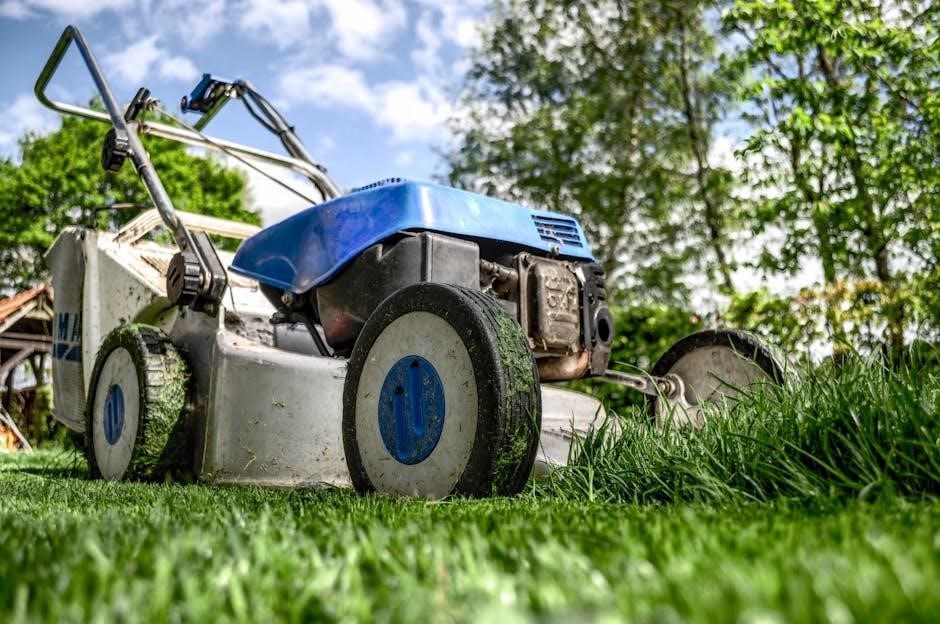
Craftsman Lawn Mower Manual Model 917: A Comprehensive Guide
Welcome! This manual assists with your Craftsman Riding Mower, Model 917. It simplifies complex concepts, offering effortless understanding of parts and operation.
Congratulations on selecting the Craftsman 917 lawn mower! This manual is your dedicated resource for maximizing performance and ensuring longevity. Specifically designed for models like the 917.388400, it provides detailed guidance for both novice and experienced users. This mower, often a 6.75 horsepower 21-inch multi-cut rotary model, represents Craftsman’s commitment to quality and durability.
This guide breaks down everything from initial assembly to routine maintenance, empowering you to confidently tackle your lawn care needs. We understand that operating and maintaining power equipment can seem daunting, which is why we’ve prioritized clarity and simplicity. Expect to find step-by-step instructions, helpful diagrams, and troubleshooting tips throughout this comprehensive manual. Proper use and care, as outlined herein, will guarantee years of reliable service from your Craftsman 917.
Safety Precautions & Warnings
Prioritize Safety! Operating a lawn mower involves inherent risks. Always read and understand this entire manual before assembly or use. Keep children and pets well clear of the mowing area during operation and when the mower is being stored. Never allow untrained individuals to operate the Craftsman 917.

Crucially, disconnect the spark plug wire before performing any maintenance, including blade work. Wear appropriate safety glasses, sturdy footwear, and hearing protection. Inspect the lawn for debris that could be thrown by the blades. Never operate the mower with damaged parts. Be aware of your surroundings and potential hazards. Avoid operating on steep slopes or in wet conditions.
Remember, responsible operation is paramount. Failure to heed these warnings could result in serious injury. This manual provides essential safety guidelines; always exercise caution and common sense.

Understanding the Parts Diagram (917.388400)
Familiarize yourself with the Craftsman 917 (model 917.388400) parts diagram. This detailed illustration is crucial for assembly, maintenance, and ordering replacement parts. Key components include the engine, cutting deck, wheels, handle, and discharge chute. The diagram clearly labels each part with a corresponding reference number.
Locate the engine section to identify components like the carburetor, spark plug, and air filter. The cutting deck diagram highlights the blade, blade adapter, and deck housing. Understanding the arrangement of these parts is vital for blade sharpening and replacement. Refer to the parts list accompanying the diagram to find the correct part numbers when ordering.
Proper identification of components ensures accurate repairs and maintenance. This diagram is your visual guide to the Craftsman 917’s internal and external structure, simplifying troubleshooting and upkeep.
Assembly Instructions
Before beginning, ensure all parts listed in the parts diagram are present. Lay out the components on a clean, flat surface. Begin by attaching the handle to the mower deck using the provided bolts and washers – tighten securely. Next, install the wheels, ensuring they are properly aligned and the retaining pins are firmly in place.
Connect the discharge chute, verifying a snug fit to prevent accidental detachment during operation. If applicable, attach any side shields or guards as indicated in the diagram. Double-check all connections, tightening any loose bolts or screws.
Carefully review the diagram throughout the assembly process. Proper assembly is critical for safe and efficient operation. If you encounter any difficulties, refer back to the parts diagram or contact customer support for assistance. A correctly assembled mower ensures optimal performance and longevity.
Pre-Operation Checklist
Prior to each use, thoroughly inspect the mowing area, removing any stones, toys, or debris that could become projectiles. Check the oil level, ensuring it’s within the recommended range – add if necessary. Verify the air filter is clean and free of obstructions for optimal engine performance.
Inspect the mower blades, confirming they are securely attached and sharp. Ensure the fuel tank contains sufficient fuel for the intended mowing duration. Check all safety shields and guards are correctly in place and functioning properly.
Finally, confirm the discharge chute is clear and unobstructed. A pre-operation check minimizes risks and maximizes the lifespan of your Craftsman 917. Always prioritize safety before starting the engine and beginning your lawn care tasks.

Operating Instructions
Follow these steps for safe and efficient operation of your Craftsman 917. Proper technique ensures optimal cutting results and prolongs mower life.
Starting the Engine
Before attempting to start your Craftsman 917 lawn mower, ensure the blade is disengaged and the parking brake is firmly applied. Verify the fuel tank contains fresh gasoline and the engine oil level is within the recommended range. Begin by priming the engine – typically, this involves pressing the primer bulb several times until fuel is visible.
Next, set the throttle to the ‘choke’ position, especially in colder temperatures, to enrich the fuel mixture for easier starting. Engage the starter by firmly pulling the starter rope with a smooth, controlled motion. Avoid rapidly yanking the rope, as this can damage the starter mechanism.

Once the engine sputters or attempts to start, gradually reduce the choke setting. Continue pulling the starter rope until the engine runs smoothly. If the engine fails to start after several attempts, consult the troubleshooting section of this manual for further assistance. Always keep hands and feet clear of moving parts during starting.
Adjusting Cutting Height
Proper cutting height is crucial for a healthy lawn. Your Craftsman 917 model features a convenient height adjustment system. Typically, this involves levers located near each wheel. These levers control the position of the deck, raising or lowering the cutting blades.
To raise the cutting height, move the levers to a higher setting; to lower it, move them to a lower setting. Ensure all four wheels are adjusted to the same height to maintain an even cut. A higher setting is recommended for longer grass or uneven terrain, while a lower setting is suitable for shorter, well-maintained lawns.
Always disengage the blade and stop the engine before adjusting the cutting height. Refer to the markings on the deck to select your desired height. Regularly check the adjustment levers to ensure they remain securely locked in place during operation, preventing unintended changes.
Mowing Techniques for Optimal Results
Achieving a beautifully manicured lawn with your Craftsman 917 requires employing effective mowing techniques. Overlap each mowing pass by a few inches to prevent scalping and ensure a consistent cut. Vary your mowing pattern with each subsequent cut – alternating directions promotes upright grass growth and avoids soil compaction;
Avoid mowing wet grass, as it can clog the deck and result in an uneven finish. For exceptionally tall grass, raise the cutting height initially and gradually lower it over several mowing sessions. Consider using a mulching blade to finely chop grass clippings, returning valuable nutrients to the soil.
Remember to maintain a steady pace and avoid sharp turns, which can strain the engine and damage the lawn. Regularly inspect the lawn for obstacles and remove them before mowing to prevent damage to the mower and potential injury.
Stopping the Mower & Post-Operation Procedures
Properly shutting down your Craftsman 917 after each use is crucial for longevity and safety. First, disengage the blades using the appropriate control lever. Slowly reduce the engine speed before switching the ignition to the “OFF” position. Always ensure the blades have completely stopped rotating before approaching the mower.
After stopping, disconnect the spark plug wire to prevent accidental starting during maintenance. Clean the mower deck thoroughly, removing any accumulated grass clippings and debris. Inspect the blades for damage and note any necessary sharpening or replacement.
Finally, store the mower in a dry, sheltered location. Refer to the maintenance section for detailed instructions on long-term storage procedures, including fuel stabilization and battery care.

Maintenance & Service
Regular upkeep ensures optimal performance. This section details routine checks, blade care, oil changes, filter cleaning, and spark plug maintenance for your Craftsman 917.
Routine Maintenance Schedule
To maximize the lifespan and performance of your Craftsman 917 lawn mower, adhering to a consistent maintenance schedule is crucial. After each use, inspect the mower deck for debris and thoroughly clean it. Check the tire pressure to ensure proper handling and a quality cut.
Every 25 hours of operation, or at least once per season, inspect the air filter and clean or replace it as needed. Simultaneously, check the engine oil level and add oil if necessary, using the manufacturer’s recommended grade. Inspect the blade for sharpness and damage; sharpen or replace as required.
Annually, or after 100 hours of use, change the engine oil completely. Inspect the spark plug, clean it, and adjust the gap or replace it if worn. Lubricate all moving parts, including wheels and pivot points. A well-maintained mower delivers reliable service for years to come.
Blade Sharpening & Replacement
Maintaining sharp mower blades is essential for a clean cut and healthy lawn. Dull blades tear grass, leading to brown tips and increased disease susceptibility. Regularly inspect the blade for nicks, bends, or excessive wear. Sharpening can often restore a dull blade to optimal condition, but always disconnect the spark plug wire before handling.
To sharpen, securely clamp the blade and use a metal file or grinding wheel, ensuring you maintain the original cutting angle. Never attempt to balance the blade yourself; professional balancing is recommended after sharpening. If the blade is severely damaged, bent, or cracked, it must be replaced.
When replacing, always use a genuine Craftsman replacement blade designed for the 917 model. Ensure the blade is correctly installed with the cutting edge facing upwards and securely tightened to the specified torque. A properly sharpened or replaced blade significantly improves mowing performance.
Engine Oil Checks & Changes
Maintaining proper engine oil levels is crucial for the longevity and performance of your Craftsman 917 lawn mower. Regularly check the oil level before each use, using the dipstick; Ensure the mower is on a level surface for an accurate reading. Add oil as needed, using the type specified in this manual – typically a 30W oil is recommended.
Oil changes should be performed according to the routine maintenance schedule, typically after every 25 hours of operation or annually. To change the oil, warm the engine slightly, then carefully drain the old oil into a suitable container. Replace the oil filter simultaneously for optimal engine health.

Dispose of used oil responsibly at a designated recycling center. After refilling with fresh oil, double-check the oil level and ensure the fill cap is securely tightened. Consistent oil maintenance prevents engine wear and tear.
Air Filter Cleaning & Replacement
A clean air filter is vital for efficient engine operation and preventing damage. Regularly inspect the air filter – ideally before each use – for dirt and debris. A clogged filter restricts airflow, reducing power and increasing fuel consumption.
For paper filters, gently tap the filter to remove loose dirt. Do not wash paper filters, as this can damage them. Replace the filter if it’s heavily soiled or damaged. Foam filters can be washed with mild soap and water, then allowed to dry completely before re-oiling lightly with air filter oil.
Replacement filters should match the specifications outlined in the parts diagram. Ensure the filter is properly seated in the air filter housing to prevent unfiltered air from entering the engine. Consistent air filter maintenance ensures optimal performance.
Spark Plug Inspection & Replacement
Regular spark plug inspection is crucial for maintaining optimal engine performance. A faulty spark plug can cause hard starting, misfiring, and reduced power. Inspect the plug every 25 hours of operation, or annually.
To inspect, remove the spark plug and examine the electrode for wear, fouling, or damage. A healthy spark plug will have a tan or gray color. Black, oily deposits indicate a rich fuel mixture, while white deposits suggest a lean mixture. Replace the spark plug if it’s worn, fouled, or damaged.

When replacing, use the correct spark plug specified in the parts diagram. Ensure the gap is set correctly using a spark plug gap tool. Tighten the spark plug to the manufacturer’s recommended torque specification. Proper spark plug maintenance ensures reliable ignition and efficient engine operation.

Troubleshooting Common Issues
Addressing problems like engine failure, blade issues, or unusual noises ensures your Craftsman 917 mower operates efficiently and safely. Consult this section for solutions.
Engine Won’t Start
Troubleshooting a non-starting engine on your Craftsman 917 requires a systematic approach. First, verify the fuel tank contains fresh gasoline and the fuel shut-off valve is open. Next, inspect the spark plug; a fouled or damaged plug will prevent ignition. Ensure the spark plug wire is securely connected.
Check the engine oil level – a low oil level activates a safety shut-off. Confirm the safety bail lever on the handle is fully engaged during starting attempts. Examine the air filter for obstructions; a clogged filter restricts airflow. If the engine still fails to start, consider the possibility of a carburetor issue, potentially requiring professional servicing.
Finally, ensure the blade is not obstructed by debris. A jammed blade can prevent the engine from turning over. Remember to disconnect the spark plug wire before inspecting the blade for safety.

Mower Blades Not Engaging
If the mower blades aren’t engaging, several factors could be at play with your Craftsman 917. Initially, confirm the blade engagement lever is fully depressed and locked into position. Inspect the belt that drives the blades; a broken, worn, or loose belt is a common culprit. Check the belt tensioner to ensure it’s applying adequate pressure.
Examine the mower deck for any obstructions – grass clippings or debris can jam the blade system. Verify the spindle is rotating freely; a seized spindle prevents blade engagement. A faulty blade brake clutch can also prevent operation.
If the issue persists, investigate the possibility of a damaged or disengaged drive cable. Disconnect the spark plug before inspecting the blade assembly for safety. Professional repair may be needed for complex issues.
Unusual Noises During Operation
Hearing strange sounds while operating your Craftsman 917 demands immediate attention. A rattling noise often indicates a loose component – check bolts and fasteners throughout the mower. A high-pitched squeal could signal a worn or loose belt, requiring inspection and potential replacement. Grinding sounds may point to a failing bearing within the blade spindle or engine.
Clunking noises could stem from obstructions impacting the blades, or internal engine issues. A knocking sound often suggests a more serious engine problem, potentially requiring professional diagnosis. Always disconnect the spark plug before investigating any noise source.
Regularly inspect the blade for damage and ensure it’s securely fastened. Ignoring unusual noises can lead to further damage and costly repairs. Prioritize safety and consult a qualified technician if needed.