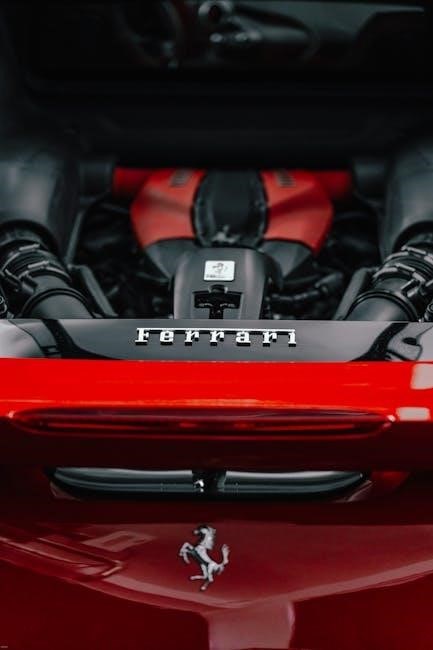
Complete V8 Pinto Engine Swap Manual: A Comprehensive Plan
Embarking on a V8 Pinto engine swap is a challenging yet rewarding endeavor‚ demanding meticulous planning and execution․
This manual details a comprehensive approach‚ leveraging resources like Mustang II donor vehicles for key components‚
particularly the oil pan and 8-inch rear end‚ simplifying the process for automatic transmission setups․
The V8 Pinto swap represents a significant performance upgrade for the classic Ford Pinto‚ transforming its character and capabilities․ This conversion involves replacing the original‚ often underpowered‚ four-cylinder engine with a robust V8 powerplant‚ typically a Small Block Ford (SBF)․ While not a simple bolt-in procedure‚ the swap is achievable for experienced DIY mechanics with adequate fabrication skills and access to necessary tools․
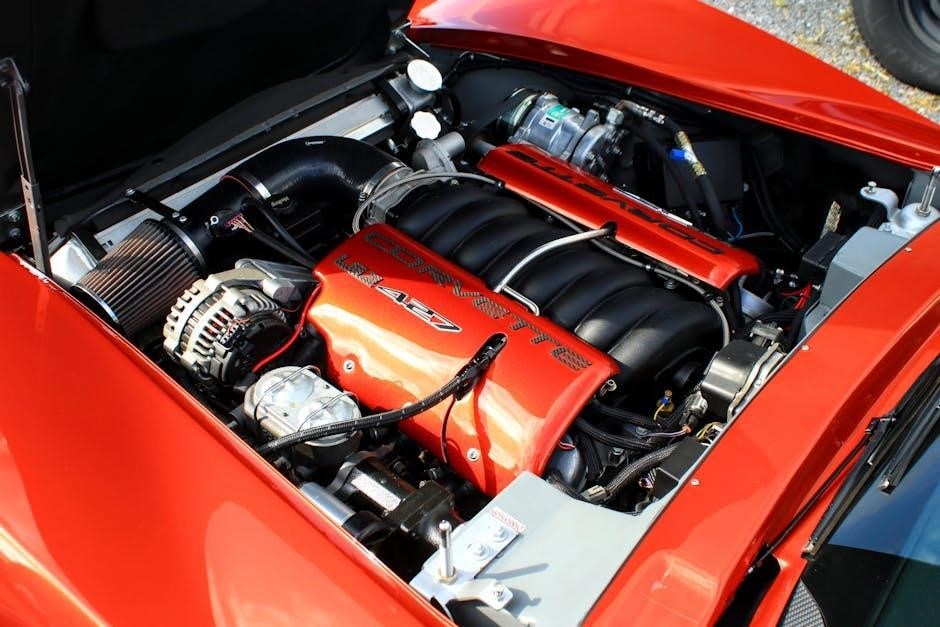
Historically‚ the Pinto’s lightweight chassis and nimble handling were hampered by its limited engine options․ Introducing a V8 addresses this imbalance‚ unlocking substantial gains in horsepower and torque․ The project requires careful consideration of numerous factors‚ including engine selection‚ transmission compatibility‚ chassis reinforcement‚ and component sourcing․ Utilizing parts from donor vehicles‚ such as the Mustang II‚ can streamline the process‚ providing readily available solutions for oil pans‚ rear ends‚ and potentially even transmission mounts․
This guide aims to provide a detailed roadmap for undertaking this conversion‚ covering each stage from initial planning to final startup and troubleshooting․
Why Choose a V8 Pinto Swap?
The primary motivation for a V8 Pinto swap is a dramatic increase in performance․ The original Pinto engines‚ while reliable‚ lacked the power to fully exploit the car’s potential․ A V8 delivers significantly more horsepower and torque‚ resulting in exhilarating acceleration and improved overall driving experience․ This transformation breathes new life into a classic vehicle‚ making it a genuinely fun and capable machine․
Beyond sheer power‚ a V8 swap offers enhanced versatility․ The increased torque is particularly beneficial for tasks like towing or spirited driving on winding roads․ Furthermore‚ the readily available aftermarket support for Small Block Ford engines provides a vast array of upgrade options‚ allowing for continued performance enhancements․ The swap also addresses the Pinto’s original power deficit‚ creating a better-balanced and more enjoyable vehicle․
Finally‚ the project itself is a rewarding challenge for automotive enthusiasts‚ offering a unique opportunity to learn and apply fabrication skills․
Essential Tools and Equipment
Successfully completing a V8 Pinto swap demands a well-equipped workshop․ Core tools include a comprehensive socket set (both metric and SAE)‚ wrenches‚ screwdrivers‚ and a torque wrench for accurate fastener tightening․ Welding equipment – a MIG or TIG welder – is crucial for fabricating engine mounts and exhaust components․ A plasma cutter or cutting torch simplifies metal fabrication tasks;
Specialized tools are also necessary․ An engine hoist is essential for safely removing and installing the engine․ Engine stands provide a stable platform for working on the V8․ A transmission jack simplifies transmission removal and installation․ Diagnostic tools‚ such as a multimeter and code reader‚ are vital for wiring harness integration and troubleshooting․
Safety equipment is paramount: safety glasses‚ gloves‚ and a respirator are non-negotiable․ Finally‚ a good quality floor jack and jack stands are essential for safely lifting and supporting the vehicle․
Sourcing a V8 Engine – Ford Options
The Small Block Ford (SBF) family presents numerous options for a Pinto V8 swap․ The 289‚ 302‚ 351 Windsor‚ and even 351 Cleveland engines are all viable candidates‚ offering varying power levels and availability․ The 302 is often favored for its balance of performance and affordability‚ while the 351 Windsor provides increased torque․
Engines can be sourced from several avenues․ Salvage yards are a cost-effective option‚ but require careful inspection for wear and damage․ Remanufactured engines offer a reliable‚ albeit more expensive‚ alternative․ Performance engine builders can assemble a custom engine tailored to your specific needs․
When selecting an engine‚ consider its intended use․ A mild street engine requires less modification than a high-performance build․ Ensure the engine includes necessary accessories like the intake manifold‚ carburetor (or fuel injection system)‚ and distributor․
Donor Vehicle Considerations (Mustang II)
A Mustang II stands out as an ideal donor vehicle for a V8 Pinto swap‚ significantly simplifying component sourcing․ Crucially‚ it provides the correct V8 oil pan configuration‚ essential for Pinto engine bay clearance․ Furthermore‚ the Mustang II’s 8-inch rear end is a direct upgrade‚ offering improved strength and durability compared to the Pinto’s original rear axle․
Beyond the engine and rear end‚ the Mustang II yields valuable parts like engine mounts (potentially adaptable)‚ steering components‚ and brake systems․ If the donor Pinto already has an automatic transmission‚ the Mustang II’s shifter‚ transmission mount‚ and even the driveshaft can be reused‚ minimizing fabrication work․
Carefully inspect the donor Mustang II for rust and overall condition․ Prioritize a vehicle with minimal damage to maximize usable parts․ Thorough documentation of removed components is highly recommended during disassembly․
Preparing the Pinto Chassis
Thorough chassis preparation is paramount before V8 installation․ Begin with a comprehensive inspection for rust‚ addressing any structural weaknesses with welding and reinforcement․ The Pinto’s original engine mounts will require modification or complete removal to accommodate the V8’s larger footprint․ Careful measurement and planning are crucial for accurate mount fabrication․
Evaluate the Pinto’s existing steering system; a V8 swap often necessitates upgrading to a more robust steering rack to handle the increased power and weight․ Inspect the fuel lines and brake lines‚ replacing any deteriorated sections․ Consider reinforcing the chassis in key areas‚ such as the shock towers‚ to withstand the added stress․
Clearance is a significant concern; assess space around the engine‚ transmission‚ and exhaust․ Modifications to the firewall or transmission tunnel may be required․
Engine Mount Fabrication & Installation
Precise engine mount fabrication is critical for a successful V8 Pinto swap․ Due to the V8’s size and weight difference‚ custom mounts are almost always necessary․ Start by accurately locating the engine’s desired position within the chassis‚ ensuring proper balance and clearance․ Steel plate‚ typically 3/8” to 1/2” thick‚ is ideal for constructing the mounts․
Utilize the V8’s original mounting points as a reference‚ adapting them to the Pinto’s chassis․ Welding is the preferred method for secure attachment‚ ensuring strong‚ durable mounts․ Consider using polyurethane bushings to dampen vibrations and improve handling․ Double-check alignment before final welding․
Installation requires careful attention to detail․ Ensure the engine sits level and doesn’t interfere with any chassis components․
Transmission Options & Adaptation
Selecting the right transmission is pivotal for a V8 Pinto swap‚ influencing drivability and overall performance․ Several options exist‚ each with unique considerations․ If the Pinto originally had an automatic transmission‚ retaining the stock shifter‚ transmission mount‚ and even the driveshaft can simplify the process‚ offering a cost-effective starting point․
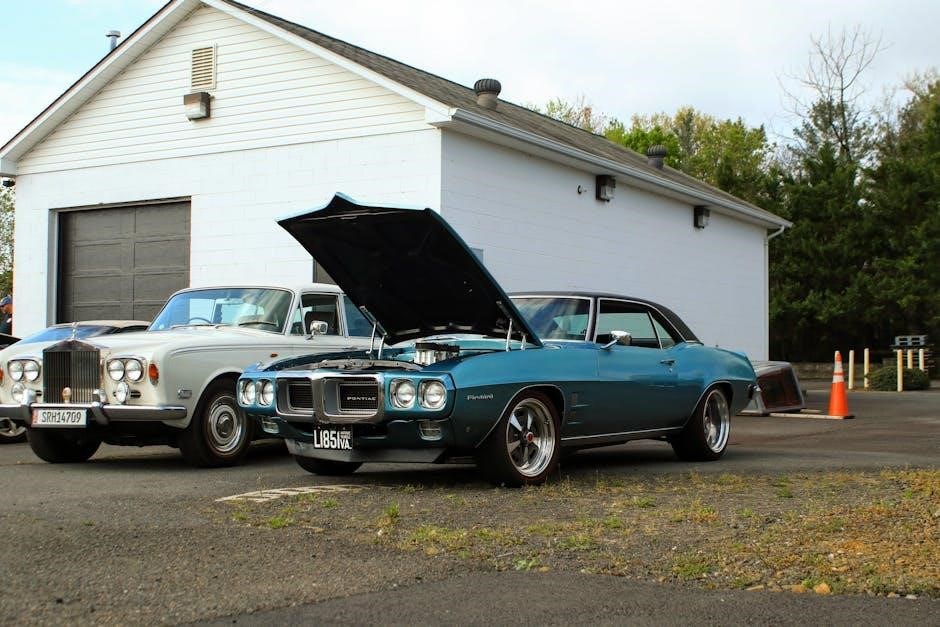
However‚ for increased strength and performance‚ upgrading is often desirable․ Manual transmission options‚ like the popular T5‚ provide a more engaging driving experience․ Adapting a T5 requires a bellhousing compatible with the V8 engine and potentially a custom clutch linkage․
Careful measurement and planning are essential to ensure proper fitment and driveline angles․ Consider the V8’s torque output when choosing a transmission‚ opting for a unit capable of handling the increased power․
Automatic Transmission Compatibility
Utilizing the original Pinto’s automatic transmission presents a straightforward path for V8 engine swaps‚ minimizing adaptation complexities․ A significant advantage lies in the potential to reuse existing components – the shifter‚ transmission mount‚ and even the driveshaft – reducing both cost and installation time․ However‚ assessing the automatic’s strength is crucial․
Stock Pinto automatics may not be ideally suited for the increased torque of a V8‚ potentially leading to premature wear or failure․ Reinforcement or a complete rebuild with stronger internals is highly recommended․ A shift kit can also improve performance and durability․
Ensure proper cooling is maintained; an upgraded transmission cooler is advisable to prevent overheating․ Careful consideration of the torque converter’s stall speed is also vital for optimal performance․
Manual Transmission Options (T5‚ etc․)
For enthusiasts seeking enhanced control and performance‚ swapping to a manual transmission alongside the V8 is a popular choice․ The Ford T5 transmission emerges as a frequently recommended option‚ offering robust construction and readily available gear ratios suitable for a modified Pinto․ However‚ compatibility requires careful planning․
Adapting the T5 involves addressing bellhousing alignment and input shaft splines․ A custom bellhousing or adapter plate is typically necessary to mate the V8 engine to the T5 transmission․ Clutch selection is also critical; a heavy-duty clutch capable of handling the V8’s torque is essential․
Modifications to the Pinto’s transmission tunnel may be required to accommodate the T5’s larger dimensions․ Don’t forget to account for shifter placement and linkage adjustments for a precise and comfortable driving experience․
Fuel System Modifications
The Pinto’s original fuel system is inadequate for a V8’s increased demands‚ necessitating significant upgrades․ A high-flow fuel pump is paramount‚ capable of delivering sufficient fuel volume and pressure to the larger engine․ An in-tank pump offers a reliable and relatively quiet solution‚ eliminating the need for an external pump․
Fuel line diameter must be increased to prevent fuel starvation under high-performance conditions․ Stainless steel braided fuel lines are recommended for durability and safety․ A fuel pressure regulator is crucial for maintaining consistent fuel pressure‚ optimizing engine performance․
Consider the carburetor or fuel injection system․ If retaining a carburetor‚ ensure it’s appropriately sized for the V8․ Fuel injection offers superior efficiency and tunability‚ but requires more complex installation and wiring․
Cooling System Upgrades

A V8 generates significantly more heat than the Pinto’s original engine‚ demanding a complete cooling system overhaul․ The stock radiator is insufficient; a high-capacity aluminum radiator is essential‚ ideally a crossflow design for improved efficiency․ Ensure the radiator’s core dimensions accommodate the increased heat load․
An electric fan is highly recommended‚ providing consistent airflow regardless of vehicle speed․ Consider a dual-fan setup for maximum cooling capacity․ A shroud is crucial for directing airflow through the radiator core‚ maximizing its effectiveness․
Water pump selection is critical․ A high-flow water pump ensures adequate coolant circulation․ Upgrading to a thermostat with a lower temperature rating can further aid in cooling‚ but may impact engine warm-up time․ Regularly check coolant levels and consider a coolant temperature gauge for monitoring․
Exhaust System Fabrication
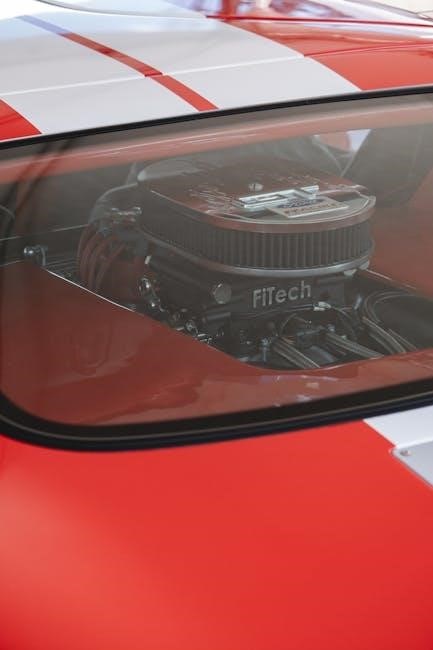
Fabricating a custom exhaust system is vital‚ as off-the-shelf options are unlikely to fit the V8-swapped Pinto perfectly․ Start by installing headers designed for a Ford V8‚ ensuring they clear the Pinto’s chassis and steering components․ Careful measurement is key to avoid interference․
Mandrel-bent tubing is preferred for optimal exhaust flow․ A 2․25 or 2․5-inch diameter exhaust system is generally sufficient for a moderately powered V8․ Include an H-pipe or X-pipe to balance exhaust pulses and improve sound quality․
Positioning the muffler(s) requires consideration for ground clearance and sound levels․ Utilize quality hangers to secure the exhaust system‚ preventing vibrations and potential damage․ Ensure all connections are sealed tightly to prevent exhaust leaks‚ which can be dangerous and reduce performance․
Wiring Harness Integration
Integrating the V8 engine’s wiring harness into the Pinto’s existing system is arguably the most complex aspect of the swap․ A standalone engine management system (EMS) is highly recommended for simplified control and tuning․ This eliminates the need to splice into the Pinto’s original wiring extensively․
If retaining the original Pinto gauges‚ you’ll need to adapt the V8’s sensor outputs to be compatible․ This often involves signal converters or modifications to the gauge cluster․ Powering the V8 requires a dedicated relay and appropriately sized wiring to handle the increased electrical load․
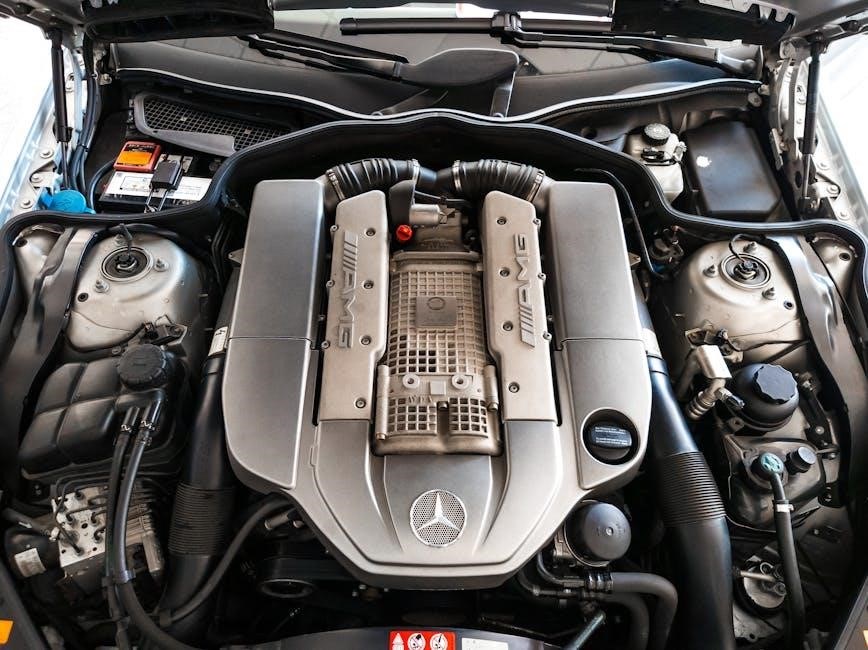
Carefully label all connections and create a wiring diagram for future troubleshooting․ Consider adding a fuse block specifically for the V8’s accessories․ Thoroughly test all circuits before starting the engine to prevent damage․
Rear End & Driveline Considerations
The Pinto’s original rear end is unlikely to withstand the increased power of a V8‚ necessitating a robust upgrade․ A common and cost-effective solution is sourcing an 8-inch rear end from a Mustang II‚ as it often accompanies V8 swaps and provides a significant strength improvement․
However‚ verifying the gear ratio is crucial to maintain drivability and performance․ Consider the intended use of the vehicle – lower ratios for acceleration‚ higher ratios for cruising․ The driveshaft will almost certainly require shortening or replacement to accommodate the new rear end and engine position․
Inspect the U-joints and differential bearings for wear․ Upgrading to stronger axles is advisable for high-horsepower applications․ Proper driveline angles are essential to minimize vibrations and ensure longevity․
Brake System Upgrades
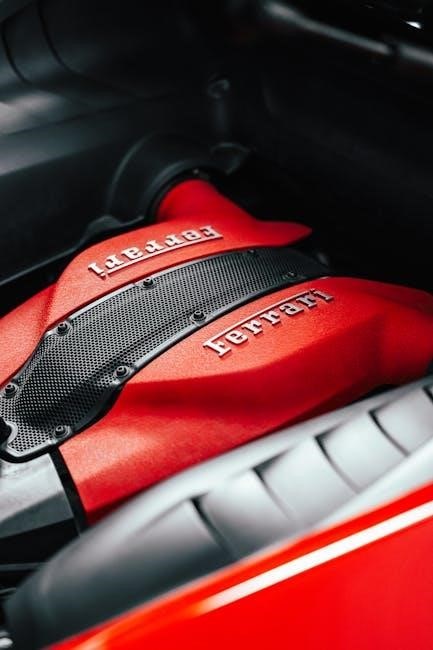
The increased weight and power of a V8 necessitate a substantial upgrade to the Pinto’s braking system․ The original drum brakes are inadequate for the demands of a swapped engine‚ posing a serious safety concern․ Converting to front disc brakes is the first and most critical step․
Mustang II components are again a viable option‚ offering readily available and affordable disc brake kits․ Consider upgrading the rear brakes to disc as well for balanced stopping power․ Ensure the master cylinder is appropriately sized to handle the increased hydraulic demand․

Stainless steel brake lines improve pedal feel and reduce brake fade․ Inspect all brake components thoroughly‚ including lines‚ hoses‚ and calipers․ Power brake boosters are highly recommended for ease of use and improved stopping performance․
Suspension Modifications
The Pinto’s original suspension wasn’t designed to handle the weight and power of a V8 engine‚ requiring significant modifications for safe and predictable handling․ Addressing this is paramount after the engine swap is complete․
Upgrading the front springs to a heavier rate is essential to support the added weight and reduce body roll․ Consider installing a larger diameter sway bar to further improve handling․ Strut braces can also enhance chassis rigidity․
Rear suspension upgrades should include heavier springs and potentially adjustable shocks․ Leaf spring reinforcement or a complete rear suspension kit is advisable․ Examine the shock mounts for potential reinforcement․ Improved bushings throughout the suspension system will minimize flex and enhance responsiveness․
Final Checks and Startup
Before attempting the initial startup‚ a meticulous review of all connections is crucial․ Double-check the fuel lines for leaks‚ ensuring proper routing and secure fittings․ Verify the electrical connections‚ paying close attention to the wiring harness integration and grounding points․
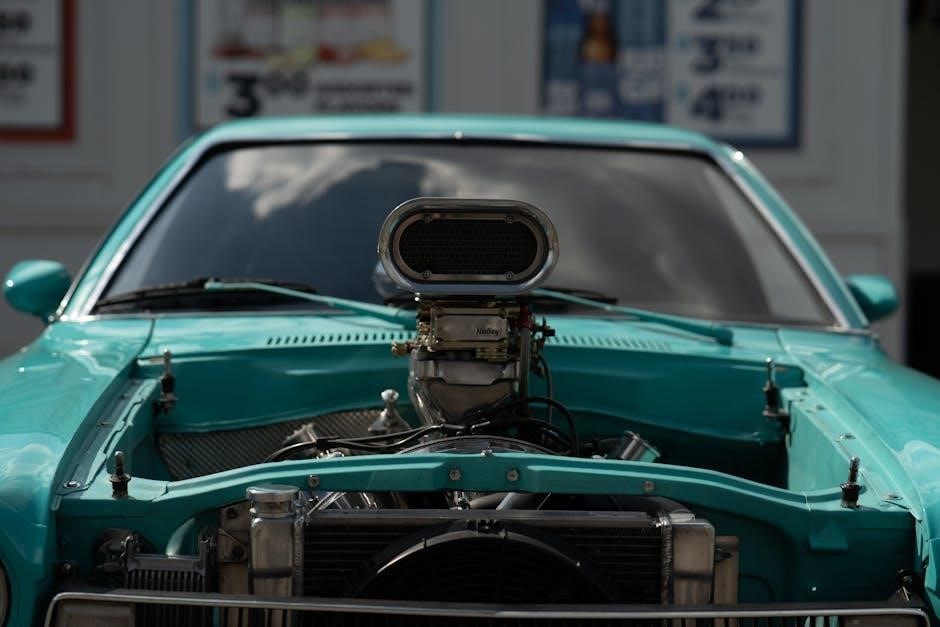
Confirm the coolant level is correct and the cooling system is free of air pockets․ Inspect the exhaust system for any obstructions or leaks․ Ensure the brake lines are properly bled and the parking brake functions correctly․
Prime the oil system by cranking the engine with the ignition disabled․ Once primed‚ attempt a start․ Monitor gauges closely for oil pressure‚ temperature‚ and voltage․ Address any immediate issues before prolonged operation․ A careful break-in period is vital for longevity․
Troubleshooting Common Issues
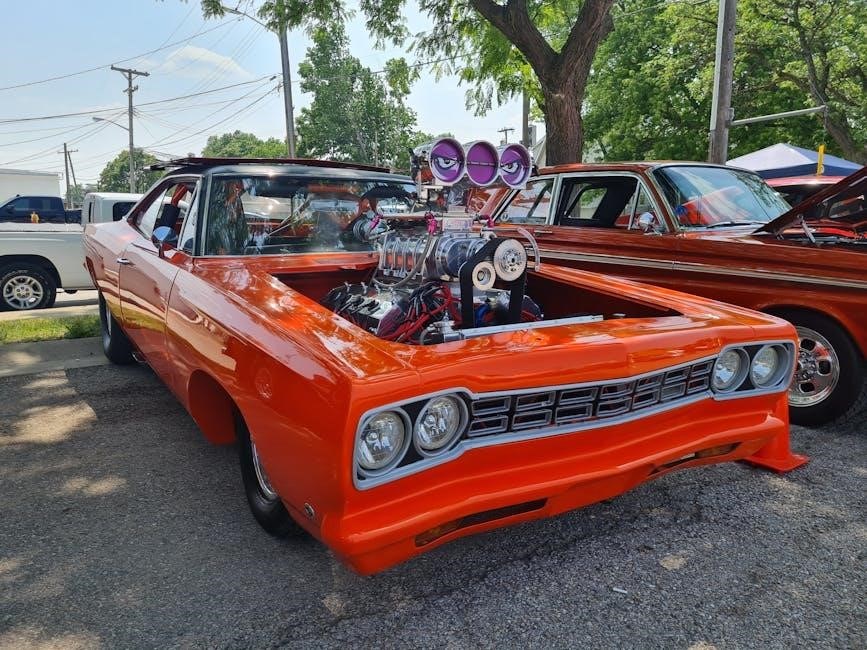
Post-swap‚ several issues may arise requiring careful diagnosis․ Fuel delivery problems‚ manifesting as hard starting or poor performance‚ often stem from clogged filters or a failing fuel pump․ Electrical gremlins‚ common with harness integration‚ can cause intermittent failures – check all connections and grounds․
Overheating is frequently linked to inadequate cooling system capacity or air trapped within the system․ Exhaust leaks can lead to reduced power and potential safety hazards; inspect all joints and flanges․
Driveline vibrations may indicate imbalances or misalignment․ Address these promptly to prevent further damage․ Remember to systematically check each component‚ utilizing diagnostic tools and referencing wiring diagrams․ Patience and a methodical approach are key to resolving these challenges․